Destination
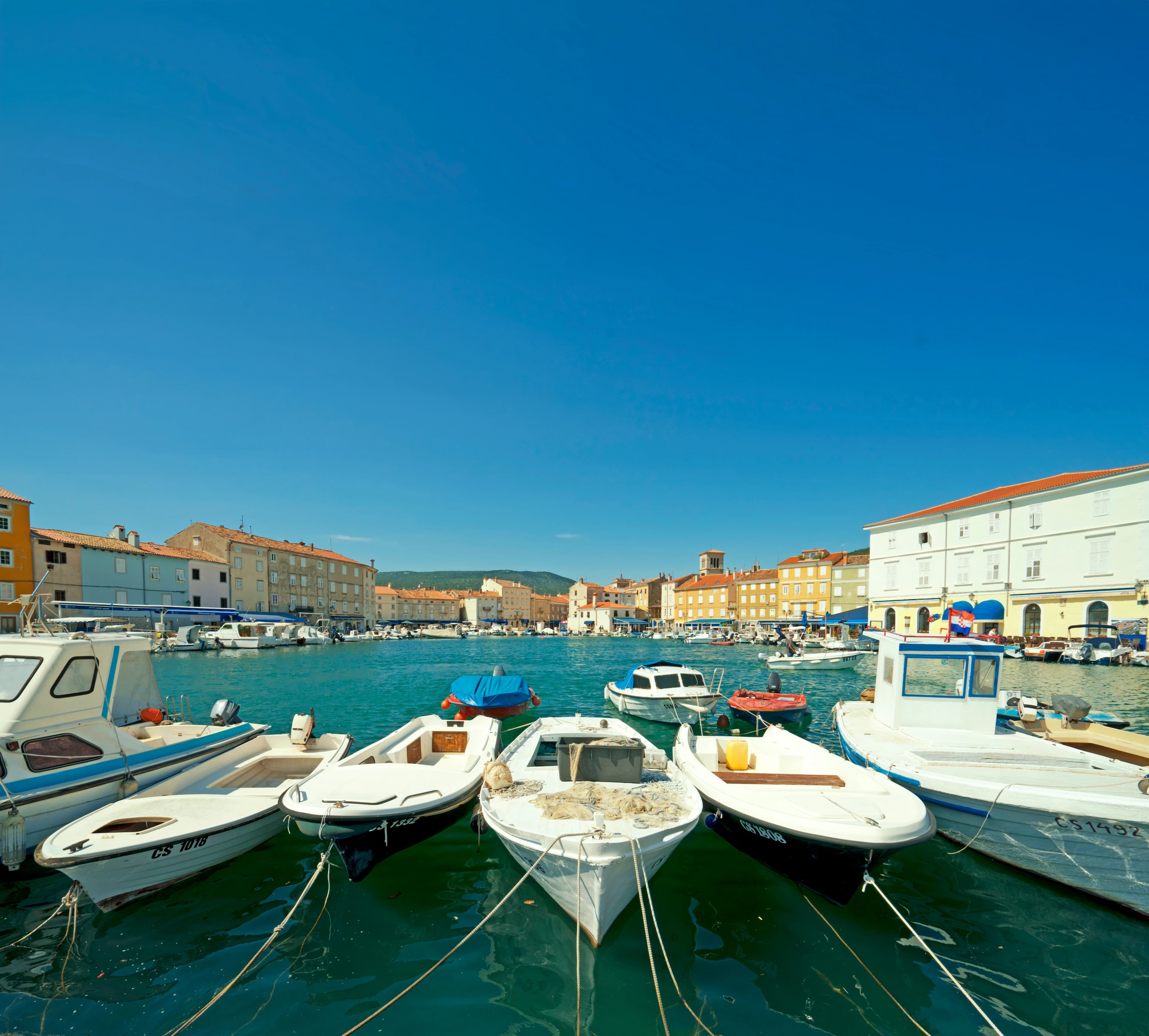
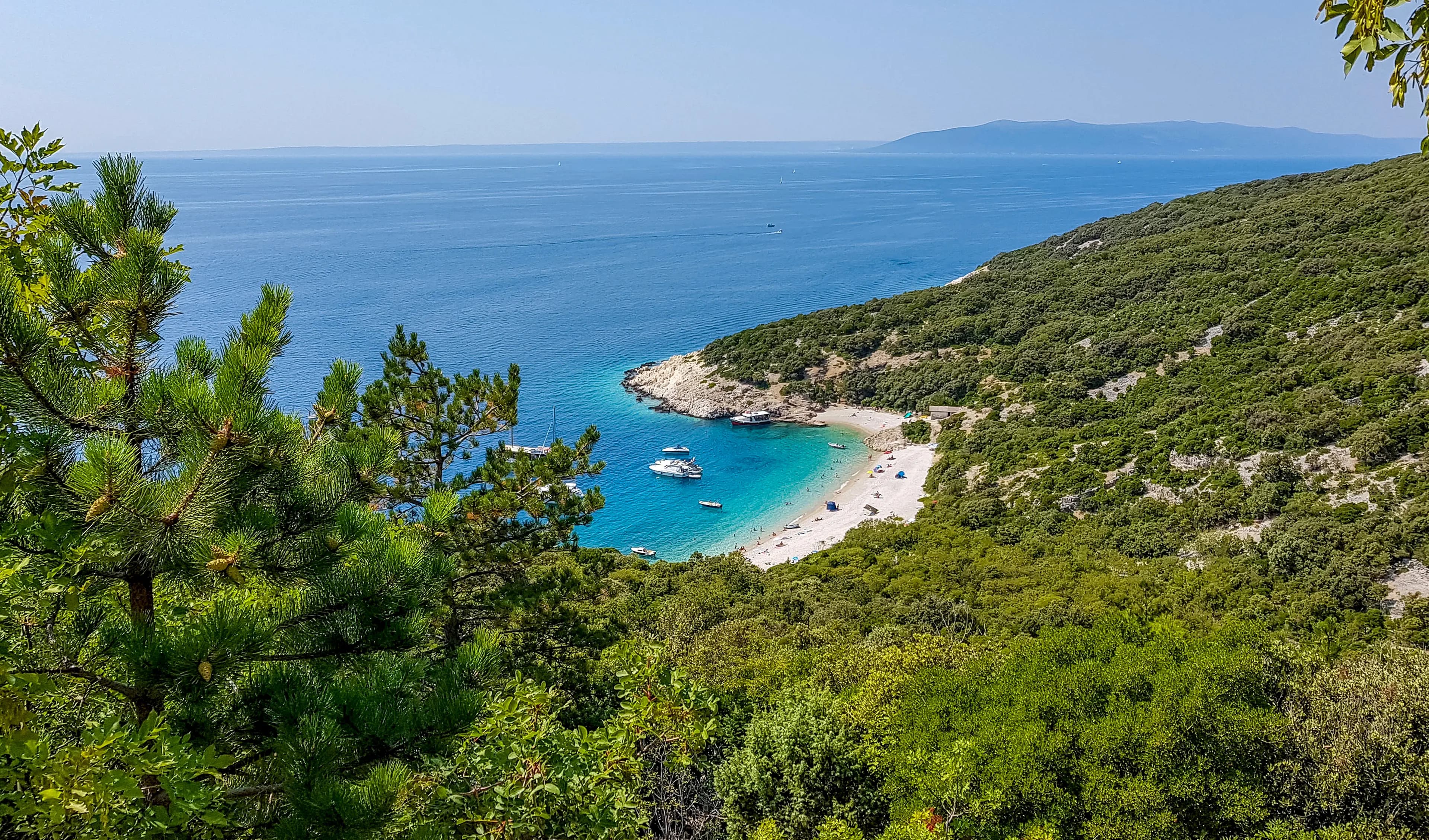
Cres belongs to two vegetation zones – the sub-Mediterranean and the Mediterranean, and is characterized by a mild and pleasant sub-Mediterranean climate, a large number of days and hours of sun a year, and a warm crystal clear sea and wild, untouched forest.
The picturesque, romantic beaches and an occasional secluded bay are quite a reward for anyone who embarks on a little adventure and takes one of the many rustic paths running through the island.
The last 100 families of griffon vultures in Croatia have found a safe haven right here on the island of Cres, and as many as 93 species of diurnal butterflies fly across the island – more than on any other island on the Adriatic! The culture of the island natives, thousands of years old, seeps through every corner of the island, and for embarking on a new adventure of learning about the authentic customs of the Cres natives all you need to do is peek behind one of the many beautiful doors of Cres.
Do you really feel the ground under your feet while walking, or the water on your toes when going in the sea? Let the slow pace of the island and the relaxing steady movement of our flora and fauna inspire you to reconnect with yourself – to return to the true, real values.
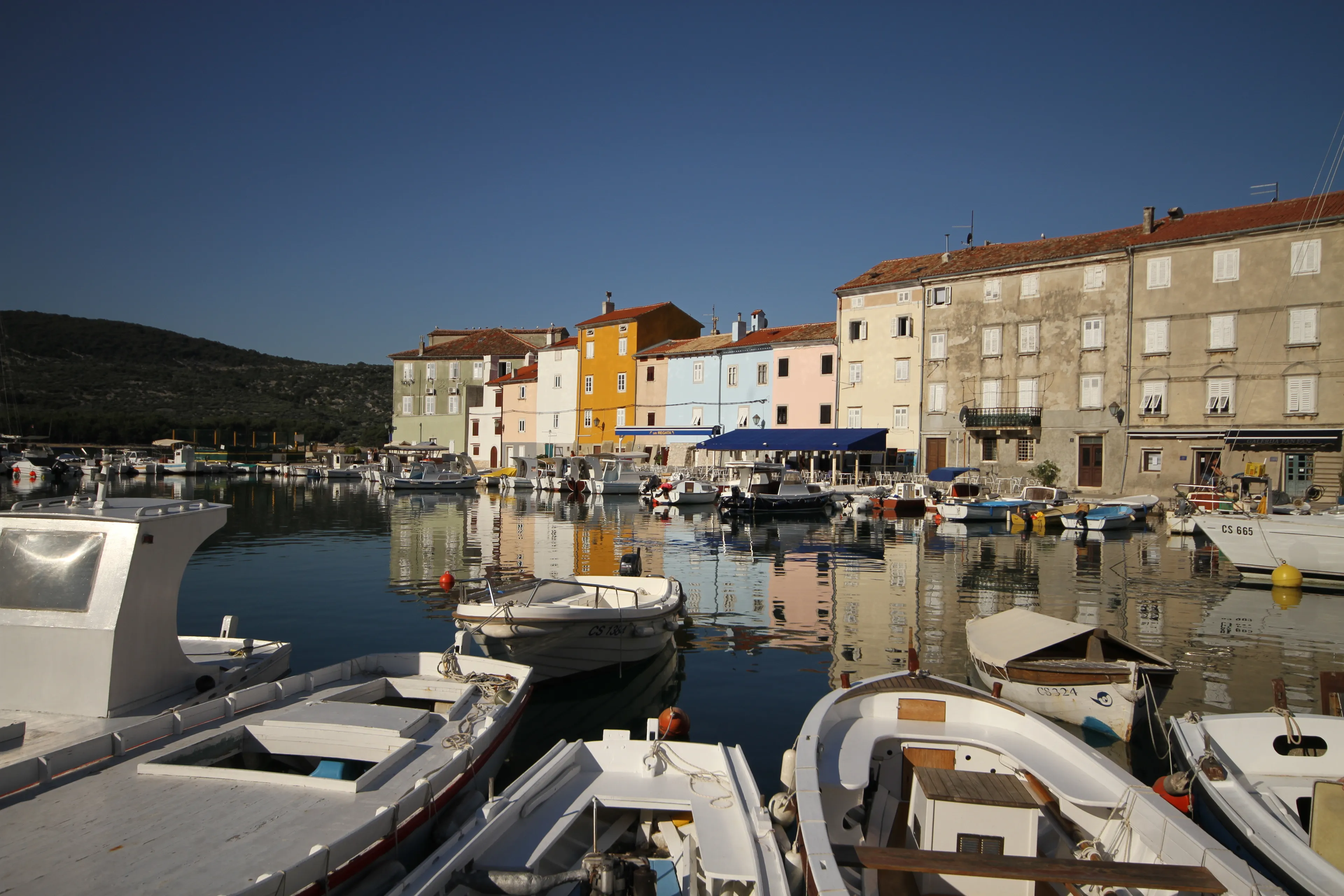
The town of Cres, the biggest town on the island of Cres, is located on the bottom of a well-sheltered bay on the west part of the island. Ancient structures and the ancient fortress of Crepsa bear witness to a long and rich history of the island. The fortified old town centre, shaped in the form of a rectangle punctuated by 5 towers and several gates, was built during Venetian rule and, apart from several later additions, has for the most part retained its appearance to this day.
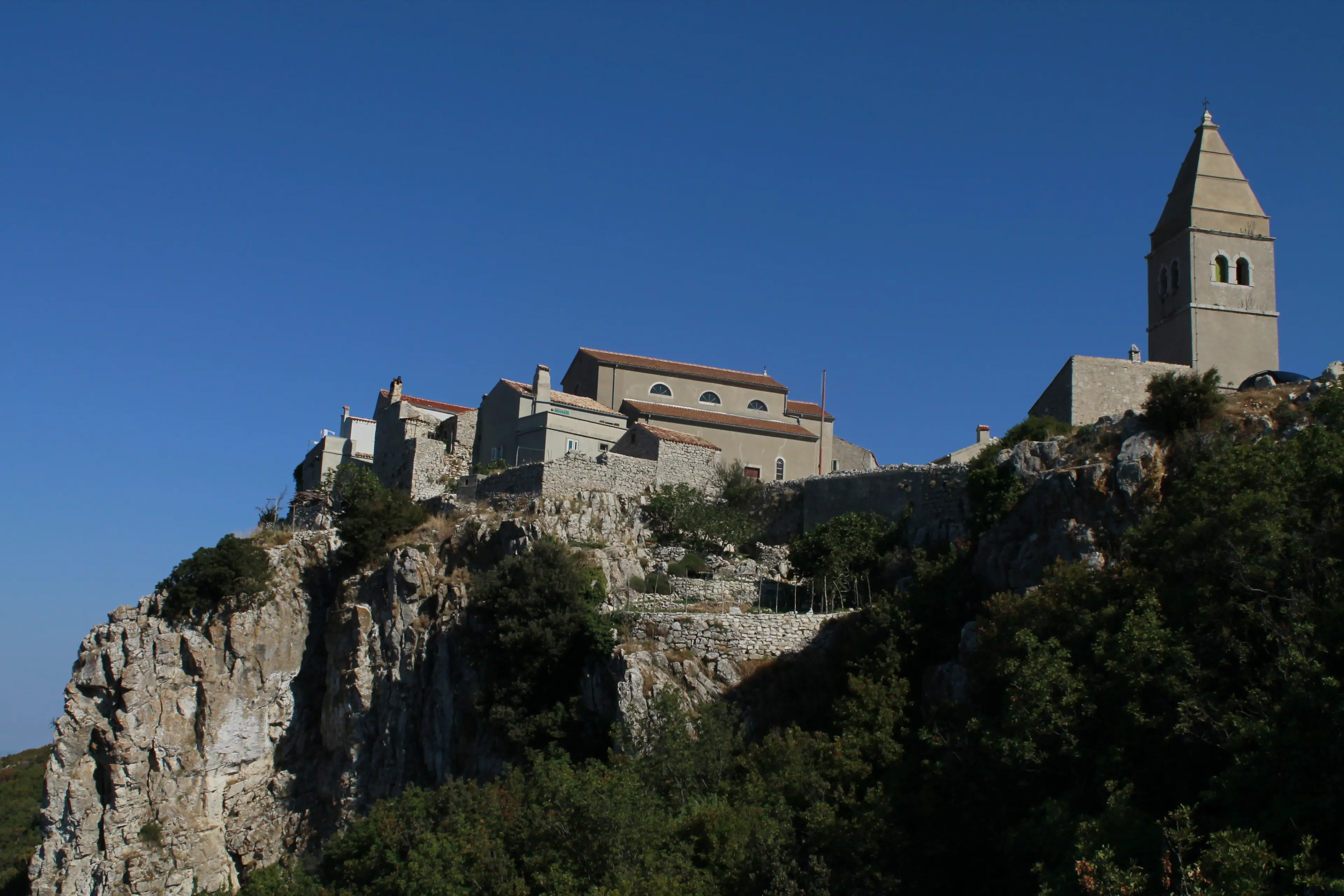
Perched atop a cliff 378 metres above the sea, Lubenice is a small village that in the Middle Ages held significant geostrategic importance. What could delight you more than the charming winding alleyways, numerous little churches and the remains of the medieval town wall and town gates?
Only the spectacular sea view that this place offers.
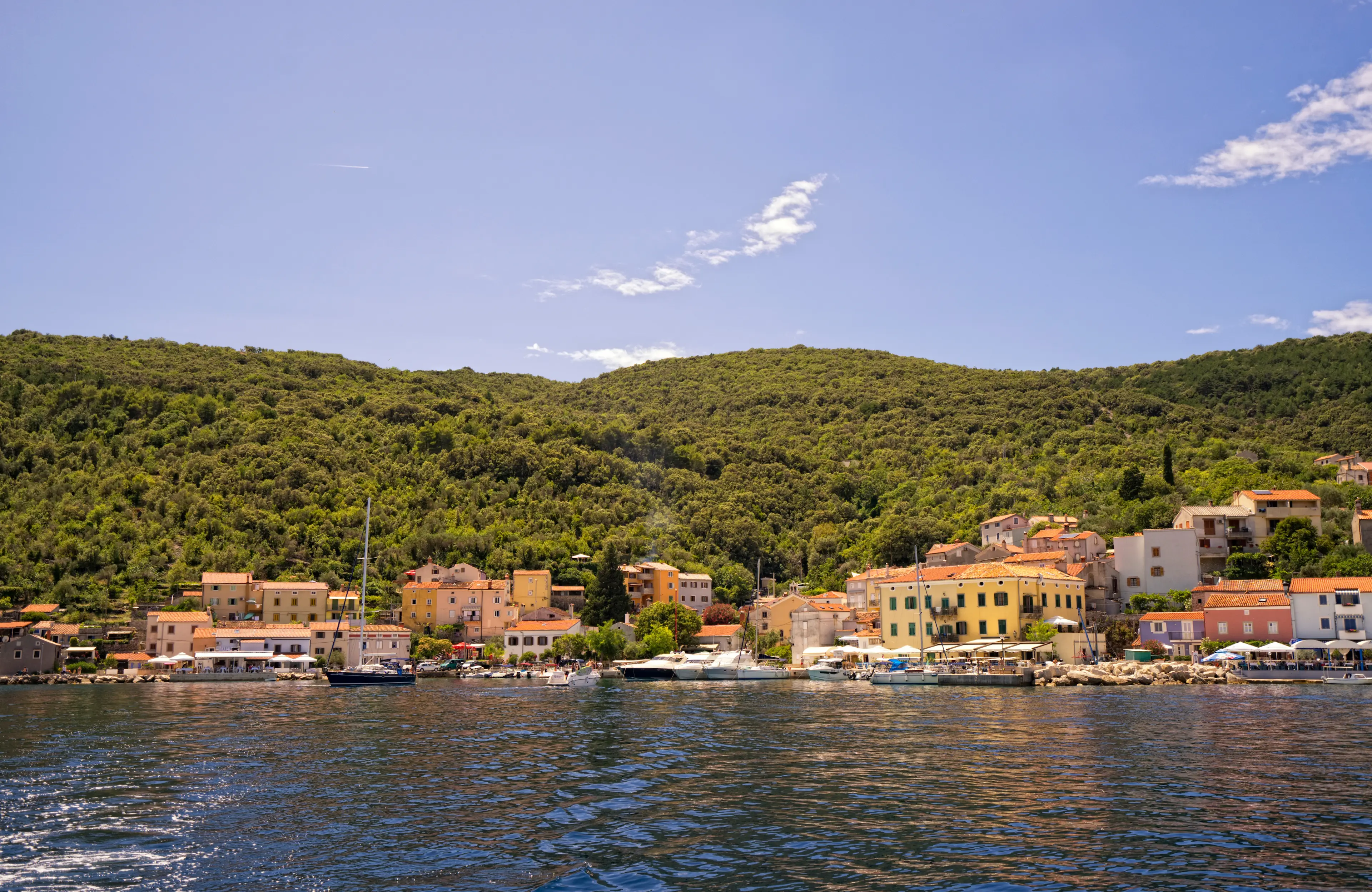
Situated between two shingle beaches, Valun was built and settled by generations of fishermen and farm labourers from the island of Cres.
This indigenous settlement tells a centuries-long story of life at sea, and it is particularly interesting that the Valun Stone – one of the oldest Glagolitic inscriptions, dating back to the 11th century – was found in the Church of St Mark.
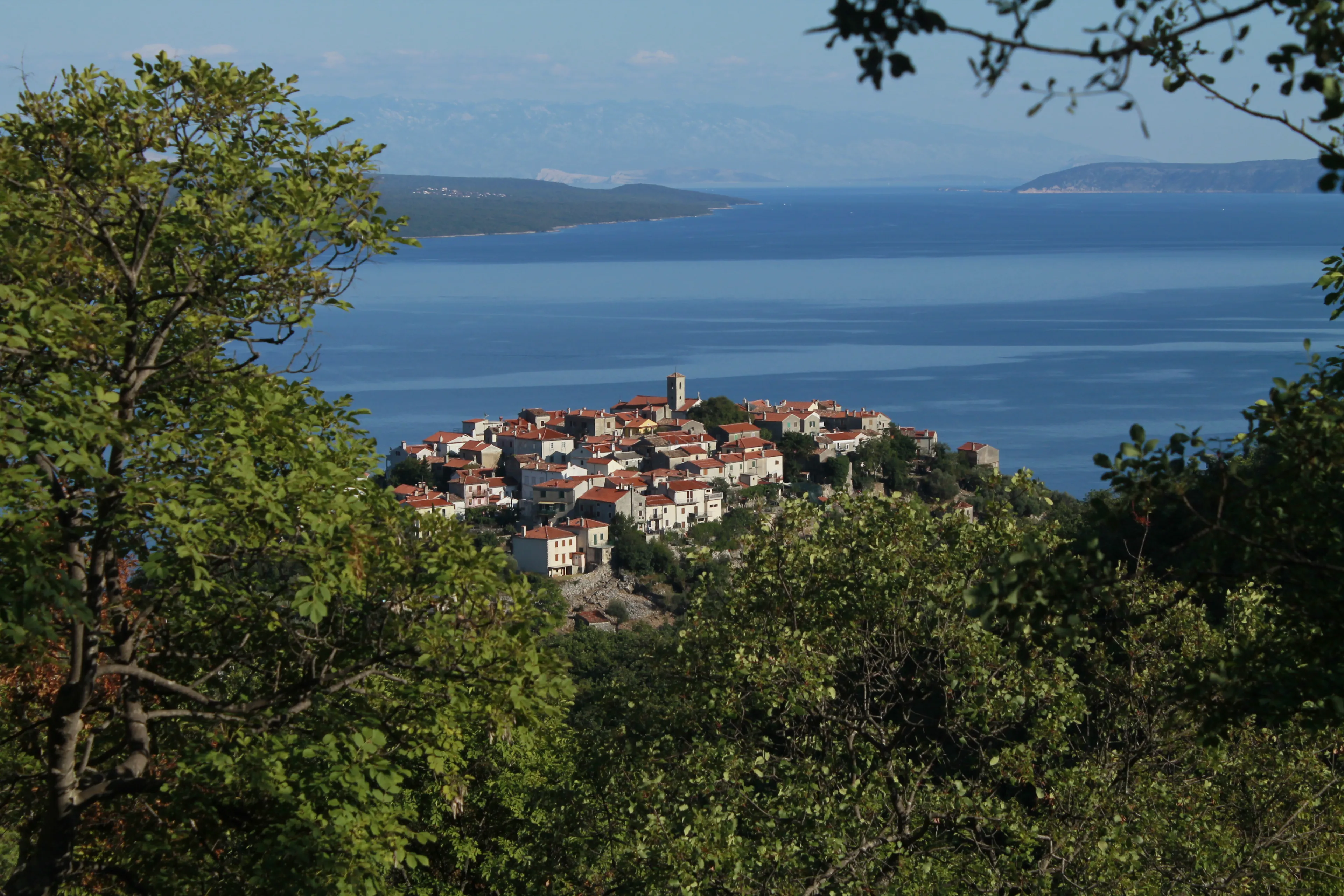
What does an island settlement that originated 4,000 years ago look like?
The village of Beli is teeming with structures that bear witness to its rich history and the earliest signs of the culture that defined this region – from the remains of prehistoric hillforts and thick dry-stone walls to the parish founded in 1018.
Beli is also a sanctuary for magnificent white-headed vultures, and you can visit a permanent exhibition dedicated to the biodiversity of the Cres-Lošinj archipelago.
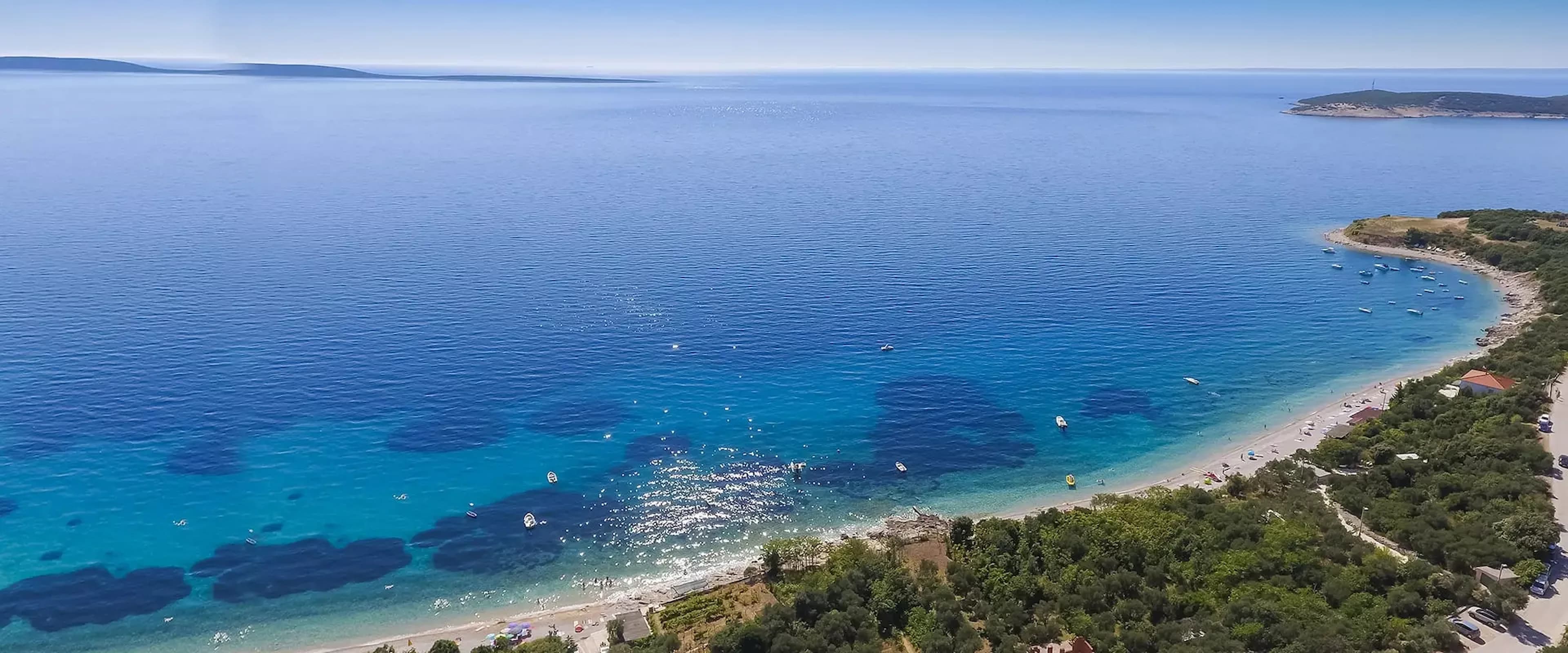
The ecological heritage of the island of Krk resonates in every corner of the village of Martinšćica.
Beautiful, wild beaches fringed by unspoilt nature can be discovered along the town, while in the background lie hills with the remains of prehistoric structures and the ruins of the Romanesque Church of St Christopher.